Pakistan Launches Major Digital Education Drive with 700,000 Google Chromebooks for Students




In a significant step toward modernising education and narrowing the digital divide, the Government of Pakistan has unveiled a landmark programme to distribute 700,000 Google Chromebooks to students nationwide under the Prime Minister’s Youth Programme.
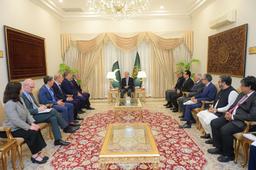
The announcement was made in Islamabad by Rana Mashhood Ahmad Khan, Chairman of the initiative, who described the effort as a strategic investment in the country’s future workforce and intellectual capital.
The rollout of free Chromebooks aims to equip students with modern digital tools that support online learning, research, creative work, and access to global knowledge resources. Students enrolled in public and private schools, colleges, and universities across all provinces will benefit.
This includes learners in Azad Jammu and Kashmir and Gilgit-Baltistan, regions that have historically faced barriers to educational technology access due to geographic and infrastructural challenges.
Mashhood emphasised that young people are one of Pakistan’s most valuable assets, and ensuring they have the right tools to compete in a fast-changing global environment is essential.
He noted that the Chromebook distribution is part of a broader national strategy to support digital literacy, improve educational equality, and prepare students for careers that increasingly depend on technology skills.
Read More
Punjab Government to Provide Free Laptops for Private University Students in 2025
Short Courses in Ireland for International Students (2026 Guide)
Why Chromebooks Matter
At the centre of this initiative are Google Chromebooks, lightweight laptops designed primarily for web-based computing and cloud-based applications.
These devices are widely used in education systems around the world due to their affordability, security features, and ease of integration with online learning platforms. For students, this means improved access to digital textbooks, virtual classrooms, educational videos, collaborative tools, and specialised software for coding, design, and research.
Education experts suggest that introducing such devices can significantly change how learning takes place. Teachers gain the ability to include multimedia content, interactive assignments, and personalised learning paths in their lessons.
Students, meanwhile, develop familiarity with digital workflows that closely resemble those used in modern academic and professional environments.
Phased Distribution and Oversight
To ensure transparency and effective implementation, the government plans to distribute the Chromebooks in phases. Educational institutions will be prioritised based on readiness, existing digital infrastructure, and student needs.
Officials say this phased approach will help prevent delays, reduce misuse, and allow for continuous evaluation of how the devices are being used.
A national monitoring framework will track usage patterns and educational outcomes, including student engagement with online platforms, improvements in digital skills, and the integration of technology into daily learning activities.
This data is expected to guide future decisions related to expansion, resource allocation, and programme improvements.
Authorities believe a structured rollout is essential to avoid uneven distribution and to ensure that schools and students in under-resourced areas are not left behind. This is especially important in rural regions where access to computers and learning technology has traditionally been limited.
Bridging the Urban–Rural Divide
One of the core objectives of the Chromebook initiative is to reduce the gap between urban and rural education systems. Many rural districts still lack adequate access to computers, reliable internet, and updated learning materials.
As education becomes increasingly digital, these shortcomings have placed rural students at a growing disadvantage.
By providing Chromebooks across the country, the government aims to create more equal learning opportunities. Students in remote areas will be better positioned to take part in online courses, access international educational resources, and engage with teachers and peers beyond their local communities.
In regions such as Gilgit-Baltistan and Azad Jammu and Kashmir, where geography often limits access to quality education, the programme could have a lasting impact.
Teachers in these areas are also expected to benefit. As students begin using Chromebooks regularly, educators may be encouraged to adopt digital teaching tools, develop virtual lesson plans, and collaborate with colleagues through online platforms. Over time, this could strengthen teaching standards and promote wider acceptance of technology in education.
Supporting Pakistan’s Digital Future
The Chromebook distribution aligns with the government’s broader push toward a more digitised economy. In recent years, Pakistan has expanded initiatives focused on digital skills, online certifications, and technology-based training programmes for young people. These efforts reflect a growing recognition that digital literacy is essential for employment, innovation, and economic growth.
Officials have also highlighted increasing interest from the Pakistani diaspora in supporting education and technology initiatives at home. According to programme leaders, this confidence from overseas communities strengthens the case for future public-private partnerships aimed at expanding educational access and infrastructure.
Many educators and policymakers see the Chromebook initiative as one component of a larger reform agenda. Alongside device distribution, long-term success will depend on teacher training, curriculum updates, and improved internet connectivity. The broader goal is to ensure that students are not only equipped with devices but are also prepared to use them effectively in academic and professional settings.
Challenges and the Road Ahead
Despite widespread optimism, several challenges remain. Internet connectivity is still uneven across Pakistan, particularly in rural and remote regions. Without reliable broadband access, the full potential of the Chromebooks may not be realised. Teachers will also require continued training and institutional support to integrate technology meaningfully into their classrooms.
Device maintenance, cybersecurity, and appropriate usage are additional concerns. Ensuring that Chromebooks remain functional, secure, and focused on educational use will require coordination among schools, local administrations, and technology partners.
Even with these challenges, the programme represents a major shift in Pakistan’s approach to education. By placing digital tools directly in students’ hands, the government is signalling a long-term commitment to preparing young people for a technology-driven world.
As distribution begins in the coming months, educators, parents, and policymakers will be closely watching how this initiative influences learning outcomes, reduces inequality, and contributes to a more digitally capable and inclusive society.
About Author


Let us help you yield your true academic potential for foreign education. To configure and discover an apt international enrolment strategy, get in touch!


- +923041111444
- info@edify.pk
- Edify Building, 3rd Floor, Madina Town Faisalabad
© 2026 Edify Group of Companies. All Rights Reserved.