Pakistan Considers Covid-Style Remote Work and Online Classes to Save Energy




The federal government is considering remote work and online classes all over Pakistan as one measure to conserve energy and reduce fuel consumption.
The government is studying this plan, which reminds us of the measures taken when the COVID-19 pandemic broke out, and people were working from home, students were attending classes online, etc.
This is one of the points in a national-level action plan being discussed to cope with possible energy crises, rising global oil prices, and other issues in the energy sector. The government believes that if the usage of offices and educational institutions is limited to physical attendance, fuel consumption, electricity demand, and transportation costs will be reduced significantly.
Proposed Measures Under Consideration
Government officials note that the proposed package of work opportunities focuses on encouraging energy saving. However, to ensure their continued success, business organizations, government agencies, and educational institutions require sufficient empowerment.
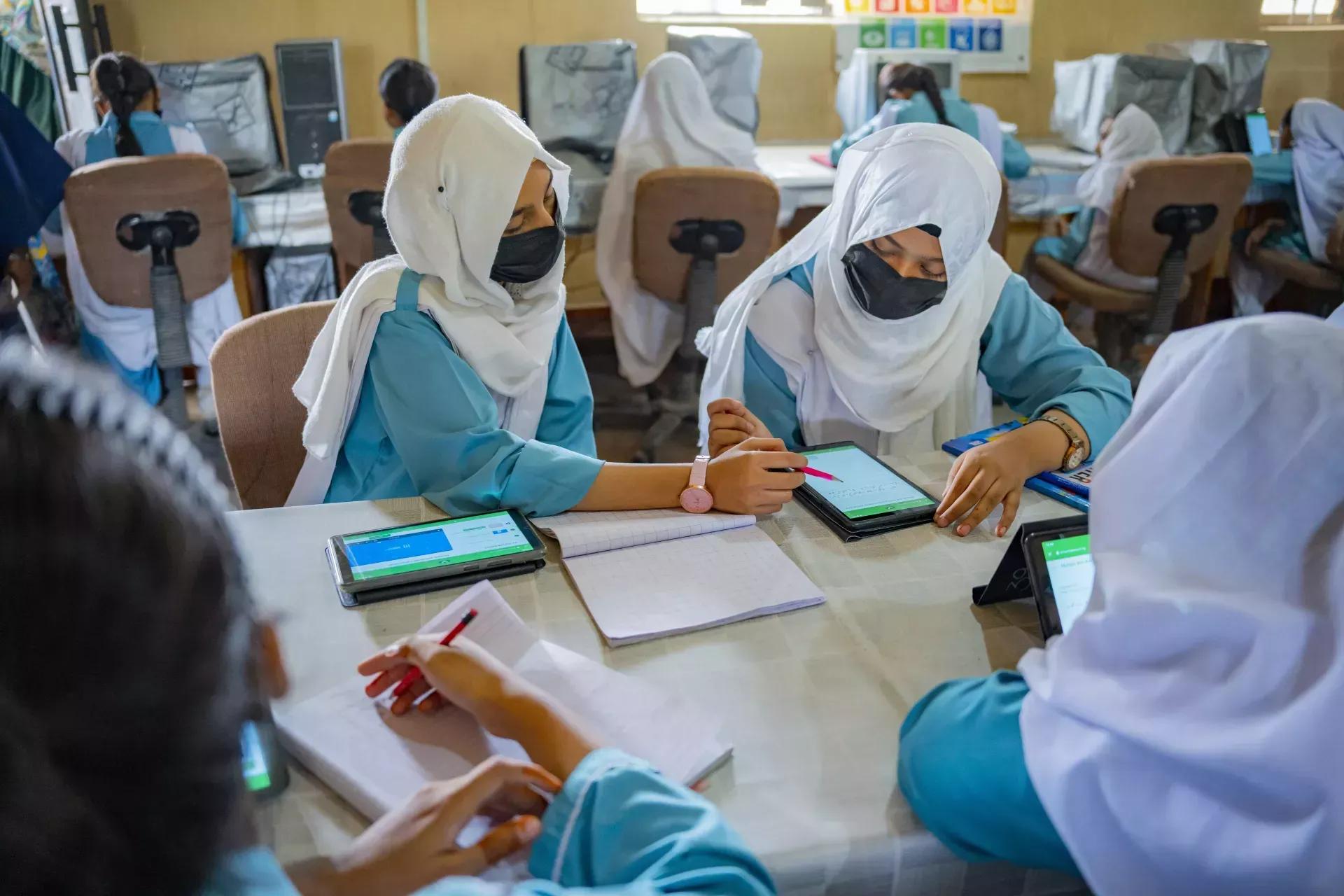
Among the main ideas is moving a portion of school and higher education teaching to digital channels so students can attend lectures virtually instead of being physically present on campuses daily. This measure will not only cut down transportation requirements but also reduce electricity consumption inside school premises.
Furthermore, the administration has set up a hybrid work structure for public/private sector offices. Employees would work from home and only go to the office for meetings and other official purposes.
IT and telecom industries, for instance, are currently brainstorming if they can allow their staff to work from home a maximum of twice a week.
Likewise, official bodies, apart from a skeleton staff, may implement work-from-home for employees, who may perform their respective duties from off-site premises.
Energy Conservation and Global Oil Concerns
The discussions are taking place amid growing concerns about global energy supply disruptions. Rising geopolitical tensions in the Middle East have increased uncertainty in international oil markets, prompting governments worldwide to prepare contingency plans.
Pakistan relies heavily on imported fuel, meaning that any disruption in global supply chains could have a direct impact on domestic energy prices and availability. Officials have therefore begun exploring ways to reduce fuel demand and conserve existing resources.
Experts note that remote work policies could significantly cut daily fuel consumption by reducing commuting and transportation across major cities. Similarly, online classes would decrease the need for thousands of students to travel to schools and universities each day.
Additional Energy-Saving Strategies
Besides remote work and digital education, authorities are also reviewing other potential measures to minimize energy usage.
One suggestion includes encouraging carpooling or shared transportation for office employees to reduce the number of vehicles on the road. Another proposal involves expanding online government services, allowing citizens to complete administrative tasks digitally rather than visiting offices in person.
These initiatives aim to reduce not only fuel consumption but also overall operational costs and pressure on the national energy system.
Learning From the Pandemic Experience
Pakistan previously implemented similar policies during the COVID-19 pandemic, when remote work and online education became necessary to maintain social distancing while keeping institutions functional.
During that period, many businesses and universities adopted digital tools for communication, collaboration, and learning. The current proposals build upon those experiences, demonstrating that remote systems can maintain productivity and continuity during challenging circumstances.
Read More
Punjab Suspends Morning Assemblies in Schools Amid Security Concerns
E-visas are now available for Pakistani visitors to the UK.
Government Review and Possible Implementation
The proposals are with a cabinet committee that is responsible for monitoring petroleum supply and prices. The committee has also been holding regular meetings to review fuel stocks, conditions in the international oil market, and threaten to the energy security of Pakistan.
Following clearance, the steps can be rolled out as early as March 2026, subject to final government decisions and synchronization with the provincial authorities.
The officials shared that the aim is not to hamper everyday activities but to provide for the continuity while at the same time saving energy resources during the time when the world is highly uncertain.
Preparing for Future Challenges
The government's focus on hybrid work models and online education is an indication that the use of digital solutions might help in easing national issues such as power shortages and increasing fuel prices.
Through flexible working hours and the use of leading digital education systems, Pakistan can possibly slash the hours of dependence on fuel-heavy operations without losing economic productivity.
Though the plans are still topics of the talks, they reflect the government's measures to gear up for possible energy supply disruptions and keep essential services running smoothly over the coming months.
About Author


Let us help you yield your true academic potential for foreign education. To configure and discover an apt international enrolment strategy, get in touch!


- +923041111444
- info@edify.pk
- Edify Building, 3rd Floor, Madina Town Faisalabad
© 2026 Edify Group of Companies. All Rights Reserved.