UK Universities Pause Admissions from Pakistan: What It Means for Students




In a significant shift affecting thousands of prospective students, a number of UK universities have announced restrictions or full suspension of new admissions from Pakistan and Bangladesh.
The move follows growing concerns over visa misuse and tightened compliance rules from the UK Home Office.
What’s Changed?
At least nine institutions, have either suspended or paused recruitment of fresh applicants from Pakistan or Bangladesh for the time being.
These steps are directly tied to a regulatory update implemented in September 2025. Under the new policy, universities that sponsor international students must keep their visa refusal rate under 5 percent, a sharp drop from the previous 10 percent threshold.
Unfortunately, recent data show that refusal rates for applicants from Pakistan and Bangladesh have been hovering around 18 percent and 22 percent respectively, well above the allowed limit.
Why Are Universities Reacting This Way?
Many institutions rely heavily on international students for both academic diversity and tuition revenue. When visa refusals cross the compliance threshold, universities risk losing their “student sponsor license.” By temporarily pausing new admissions from high-risk countries, they aim to protect those licenses and avoid penalties or regulatory scrutiny.
Moreover, the recent surge in asylum claims by students who entered the UK on study or work visas has raised red flags with immigration authorities. UK ministers have publicly warned that the study route should not be misused as a backdoor for settlement.
From a university perspective, pausing applications from certain countries may be seen as a necessary compliance step. But for students, especially genuine applicants, the sudden freeze has real consequences.
Related Read
Punjab Launches Merit Scholarship Card for IT Students
Impact on Pakistani Students
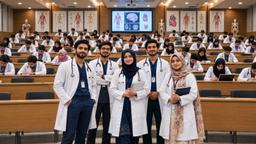
For many hopeful Pakistani students, the timing couldn’t be worse. Several who were in the final stages of application or waiting for final offers now find their dream programs on hold. Others who had planned to apply for 2026 entry may find their options limited, or face uncertainty about whether the freeze will be lifted in time.
Education consultants in Pakistan have described the move as heartbreaking. Some say legitimate applicants are being penalised because of broader regulatory crackdowns: even though they have no intention of overstaying or misusing visas.
Because lower-fee universities (which often admit students from a wider range of backgrounds) are bearing the brunt of this change, the impact hits particularly hard for middle-income families who rely on affordable international education.
What This Means for Agents and Recruitment Agencies
Recruitment agencies based in Pakistan and Bangladesh — including those that help students apply abroad — are also feeling the pressure. Some have faced criticism for aggressive recruitment practices and insufficient vetting of students. Critics argue this lax oversight has contributed to the misuse of student visas.
But the restrictions have a broader impact. Even honest agencies helping genuine candidates are now dealing with canceled applications, delayed intakes and loss of credibility. The freeze has forced many to reconsider their sourcing strategies and tighten their counselling process to avoid future complications.
What Could Happen Next?
The freeze is officially temporary. Universities have indicated they may re-open admissions, but only once they are confident the visa refusal rates are within acceptable limits. Some institutions are expected to resume recruitment for the 2026–2027 academic year, provided compliance thresholds are met.
But even when admissions resume, students should expect stricter scrutiny. Universities may tighten deposit policies, implement stricter application vetting and limit intake from high-risk regions. They may also reduce reliance on recruitment agents in high-risk countries.
What Can Affected Students Do
For Pakistani students who were planning to study in the UK, here are some practical steps:
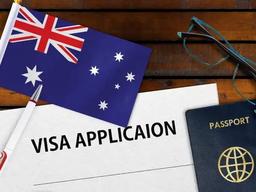
- Explore alternate countries: Many students may consider universities in Canada, Australia, Europe or other destinations where admission policies remain stable.
- Look for institutions still open: Not all UK universities have stopped recruitment. Some may still accept applications, often at higher tuition or for different courses.
- Consult trusted advisors: Work with credible education consultants who are aware of shifting regulations and can guide on best-fit options.
- Consider timing carefully: If you apply again, make sure to check whether the freeze has lifted. Don’t put all hopes on immediate UK admission.
- Prepare a backup plan: Apply to multiple universities and countries to avoid being completely derailed if UK admissions remain paused.
Conclusion
The recent decision by several UK universities to block or suspend admissions from Pakistan reflects a broader tightening of visa compliance rules. While the move aims to address misuse of student visas and rising asylum claims, it has caused serious disruption for many genuine students whose aspirations now hang in the balance.
Going forward, students from Pakistan and Bangladesh need to approach their study-abroad plans more strategically. That means being mindful of changing regulations, preparing alternative paths, and seeking honest, informed guidance.
The hope remains that once institutions realign with compliance guidelines, admissions may reopen, but until then, affected students must navigate a more complex and uncertain landscape.
About Author


Let us help you yield your true academic potential for foreign education. To configure and discover an apt international enrolment strategy, get in touch!


- +923041111444
- info@edify.pk
- Edify Building, 3rd Floor, Madina Town Faisalabad
© 2026 Edify Group of Companies. All Rights Reserved.