Pakistan's Education Sector Shows Progress as National Literacy Reaches 63%


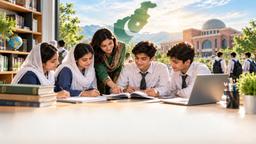
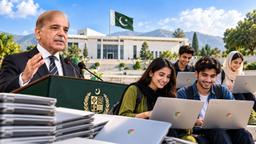
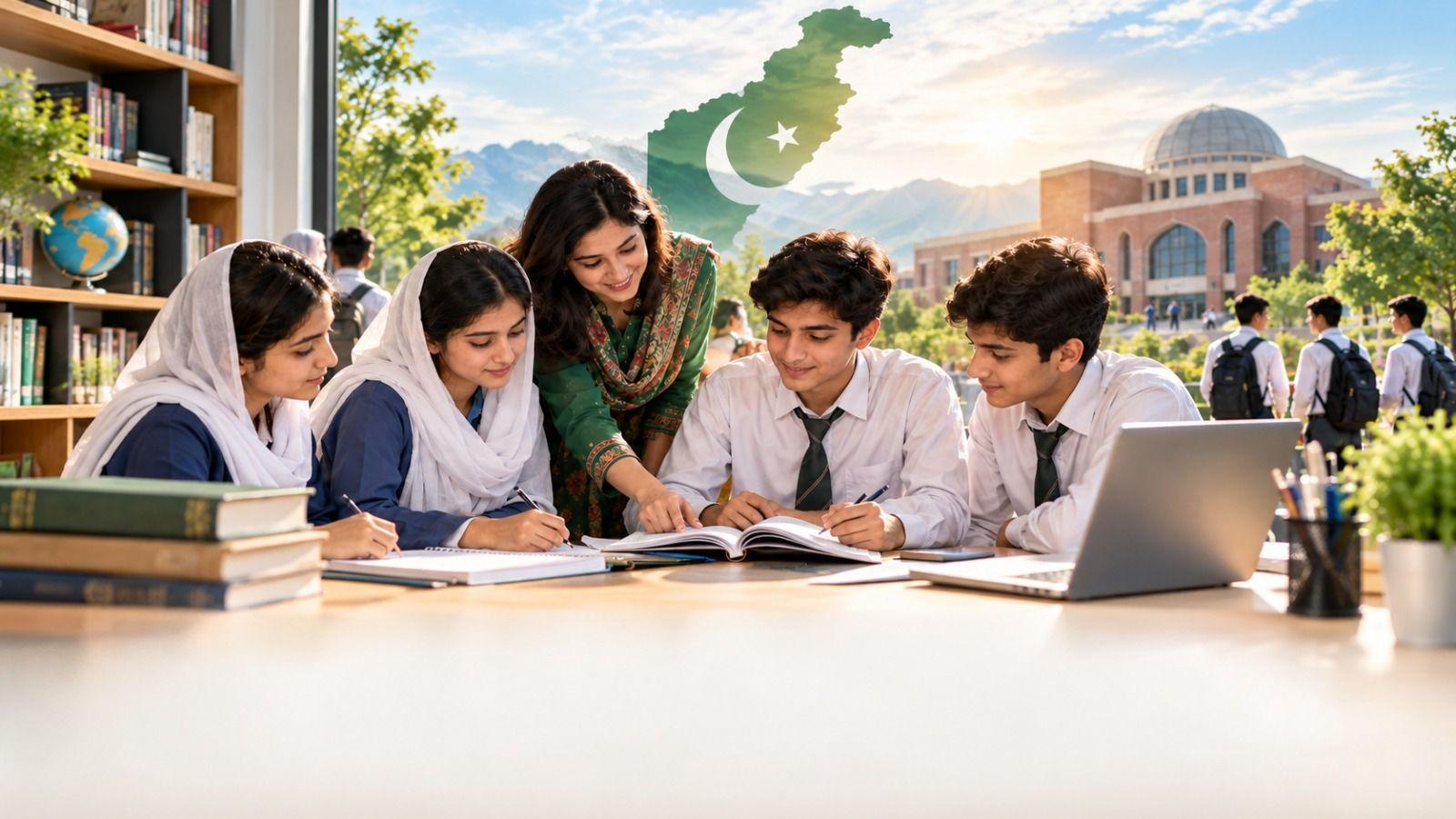
ISLAMABAD: According to the latest figures presented in the Pakistan Economic Survey 2025–26, the national literacy rate of Pakistan has risen to 63%, reflecting gradual improvement in the country’s education sector.
The increase is a positive development, but there remain significant challenges in ensuring equal access to quality education throughout the country.
According to the Pakistan Bureau of Statistics Household Integrated Economic Survey 2024-25, the literacy rate among people aged 10 years and above has increased to 63% from 60% compared to 2018-19. But more than a third of the population in this age group cannot read or write at even a basic level.
Gender Gap Remains a Major Concern
Despite overall progress, the difference between male and female literacy continues to present a challenge. The latest data show that the literacy rate among men stands at 73%, while the figure for women is 54%.
Although female literacy has improved over recent years, particularly in rural communities, millions of women continue to face difficulties accessing educational opportunities.
Limited school facilities, financial pressures, transportation difficulties and social barriers remain important obstacles to girls’ education, especially in underserved regions.
Punjab Leads in Provincial Literacy Rankings
The survey highlights considerable differences in educational progress among Pakistan’s provinces.
Punjab has maintained the highest literacy rate at 68%, followed by Sindh and Khyber Pakhtunkhwa, both recording 58%. Balochistan remains at the bottom with a literacy rate of 49%.
A significant gap also exists between urban and rural communities. Literacy in urban areas stands at 74%, compared with just 55% in rural regions.
These differences underline the need for improved educational infrastructure, trained teachers and affordable learning opportunities in remote districts.
Read More
PM Youth Chromebook Scheme 2026: How to Apply for Free Chromebooks in Pakistan
Why Rising Living Costs Are Causing Protests in France, Belgium, Italy and Portugal
Number of Out-of-School Children Declines
Another encouraging development is the reduction in the proportion of children who are not attending school.
According to the Economic Survey, the percentage of out-of-school children aged five to sixteen declined from 38% in 2023 to 28% in 2025.
While this represents meaningful improvement, a substantial number of children remain excluded from formal education, raising concerns about their future employment prospects and economic opportunities.
The situation is particularly challenging for girls and children living in financially disadvantaged households.
Greater Investment Needed for Sustainable Improvement
Education funding remains a critical issue for Pakistan. Government expenditure on education stood at approximately Rs. 962 billion during fiscal year 2024–25, representing just 0.8% of the country’s gross domestic product.
Improving literacy requires sustained investment in schools, teacher training, digital learning facilities and educational resources.
Expanding access to education in rural communities and encouraging girls’ enrolment could contribute significantly to improving national literacy levels.
Pakistan’s rising literacy rate signals progress, but achieving long-term educational development will require consistent policies, stronger financial commitments and greater attention to disadvantaged communities.
Ensuring that every child receives quality education will remain essential for building a skilled workforce, reducing poverty and supporting the country’s economic growth.
About Author


Let us help you yield your true academic potential for foreign education. To configure and discover an apt international enrolment strategy, get in touch!


- +923041111444
- info@edify.pk
- Edify Building, 3rd Floor, Madina Town Faisalabad
© 2026 Edify Group of Companies. All Rights Reserved.