Why Rising Living Costs Are Causing Protests in France, Belgium, Italy and Portugal


The rising cost of everyday necessities has left many worried about their financial situation. For some, even a regular salary is no longer enough to cover basic expenses.
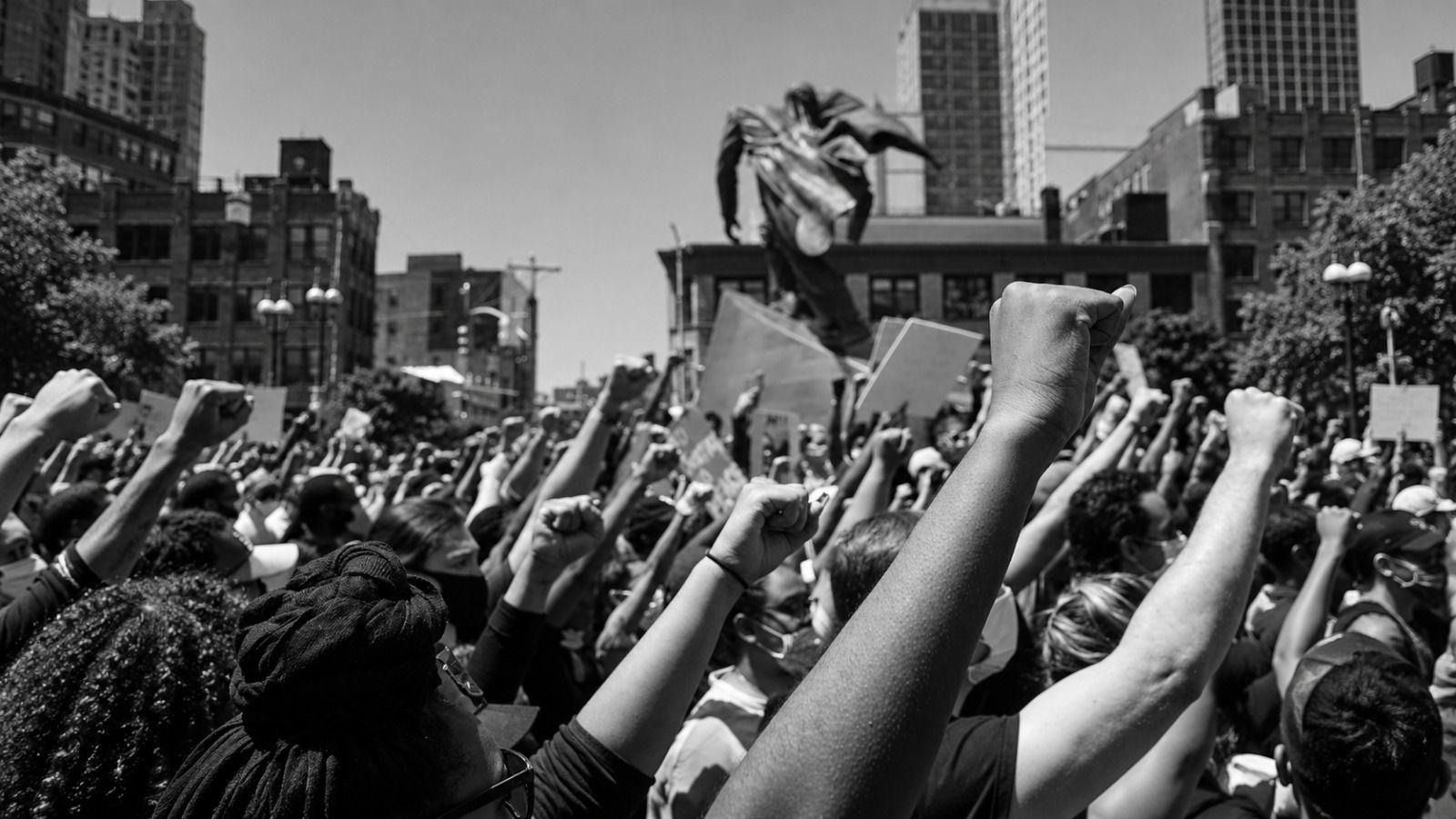
These growing frustrations became more visible on October 17, 2026, when large crowds gathered in several cities to demand better living conditions, fair wages, and affordable housing.
But what is making life so difficult in these countries, and why are so many people speaking out?
Why Are Living Costs Becoming a Serious Problem?
The cost of living affects almost every part of daily life. From paying electricity bills to buying food and renting a home, people need a steady income to meet their basic needs.
When these expenses increase faster than salaries, families have less money left for savings or emergencies.
This is one of the main concerns behind the recent demonstrations.
Although the situation is different in each country, many people share the same worries about their financial security and future opportunities.
France: People Want Better Living Conditions
France has seen widespread public frustration over living expenses and concerns about education.
More than 550,000 people participated in demonstrations across the country on October 17, according to official figures.
For many citizens, the issue is not simply about prices. It is also about feeling uncertain about what the future holds.
Students worry about education and employment opportunities, while working families face the challenge of managing household expenses.
Unfortunately, some demonstrations turned violent, leading to damaged property, clashes with police, and hundreds of arrests.
Despite these incidents, the broader concern remains important: people want financial stability and better opportunities in their daily lives.
Belgium: Education Costs Are Worrying Students
Getting a good education is often seen as the first step toward a successful career. However, rising educational expenses can make that goal harder to achieve.
In Belgium, students have expressed frustration over university registration fees and financial pressure.
Protests in Brussels and Liege highlighted these concerns, although some gatherings also resulted in confrontations with police.
For students from families with limited incomes, additional educational costs can create difficult choices.
Some may need to work longer hours while studying, while others may struggle to manage tuition and daily expenses.
The situation raises an important question: how can young people build a secure future if education becomes increasingly difficult to afford?
Portugal: Finding an Affordable Home Is Becoming Harder
Housing is one of the biggest financial concerns for people in Portugal.
Lisbon, in particular, has experienced growing frustration over expensive homes and rising rents.
Property prices in Portugal have more than doubled since 2017, while rents for new leases have also increased significantly.
This means that many people, especially young workers, may struggle to find suitable accommodation within their budgets.
For someone earning an average income, spending a large portion of their salary on rent leaves less money for food, transport, healthcare, and savings.
In October 2026, thousands of people gathered in Lisbon to demand more affordable housing and better wages.
Their concerns reflect a simple reality: having a job does not always guarantee a comfortable standard of living.

Italy: Families Face Growing Financial Pressure
Italy has also experienced public frustration over living expenses, wages, and other social concerns.
Demonstrations in Milan and Bologna brought attention to the difficulties some people face in maintaining a stable lifestyle.
Several rallies began peacefully, but clashes later occurred between police and groups of protesters.
Beyond these incidents, the financial concerns deserve attention.
For working families, rising costs can make everyday decisions more stressful.
People may have to reduce spending on leisure activities, delay major purchases, or reconsider plans to move into a new home.
When these challenges continue for a long time, they can affect people's confidence in their financial future.
How Do Rising Prices Affect Everyday Life?
The impact of expensive living conditions goes far beyond paying larger bills.
Families may begin changing their shopping habits, looking for cheaper accommodation, or cutting back on activities they previously enjoyed.
Young adults might delay moving out of their parents' homes because rent is too expensive.
Others may postpone marriage, homeownership, or starting a family until they feel financially secure.
There is also an emotional side to financial pressure.
Constantly worrying about money can create stress and make it difficult to plan for the future.
This helps explain why rising living costs have become such an important public concern.
What Can Governments Do to Improve the Situation?
Solving financial problems is not always simple, but there are several areas where governments can make a difference.
Improving access to affordable housing could help people who spend a large part of their income on rent.
Policies that encourage better wages and stable employment could also support households struggling with monthly expenses.
For students, accessible education and training opportunities are essential.
Governments may also need to consider how public transport, healthcare, and other essential services affect household budgets.
The main challenge is finding solutions that provide meaningful support without creating additional financial problems.
Read More
Major LLB Degree Scandal in Pakistan: University Invalidates 1,184 Law Students' Records
EU Plans to Expand Legal Migration and Job Opportunities for Pakistanis in 2026
What Could Happen in the Coming Months?
The demonstrations in France, Belgium, Italy, and Portugal have shown how strongly people feel about their living conditions.
Although the protests were separate and had different causes, they highlighted concerns that many households can understand.
Experts have suggested that similar public movements could appear in other countries if financial difficulties continue.
The response from political leaders will be important, particularly as several countries prepare for upcoming elections.
People will likely be paying close attention to promises about housing, employment, education, and living expenses.
Conclusion
The growing dissatisfaction in France, Belgium, Italy, and Portugal is about more than the price of groceries or monthly rent.
It reflects a wider concern about financial security and the ability to build a comfortable future.
People want to work, support their families, pursue education, and enjoy a reasonable quality of life without constantly worrying about money.
Whether the recent demonstrations lead to meaningful changes remains uncertain.
However, one thing is clear: affordable living, fair earnings, and stable opportunities have become priorities that governments cannot easily ignore.
FAQ's
1. Why are people protesting in France, Belgium, Italy, and Portugal?
People are protesting against rising living costs, expensive housing, low wages, and financial difficulties.
2. Which country is facing a major housing crisis?
Portugal is facing serious housing affordability problems, especially in Lisbon, where property prices and rents have increased.
3. What are the main causes of rising living costs?
Higher housing costs, food prices, energy bills, and wages that fail to keep up with expenses are major reasons.
4. How are rising prices affecting families?
Families are struggling to manage household expenses, save money, and afford basic necessities.
5. What can governments do to reduce living costs?
Governments can support affordable housing, encourage better wages, improve public services, and create more job opportunities.








Let us help you yield your true academic potential for foreign education. To configure and discover an apt international enrolment strategy, get in touch!


- +923041111444
- info@edify.pk
- Edify Building, 3rd Floor, Madina Town Faisalabad
© 2026 Edify Group of Companies. All Rights Reserved.
