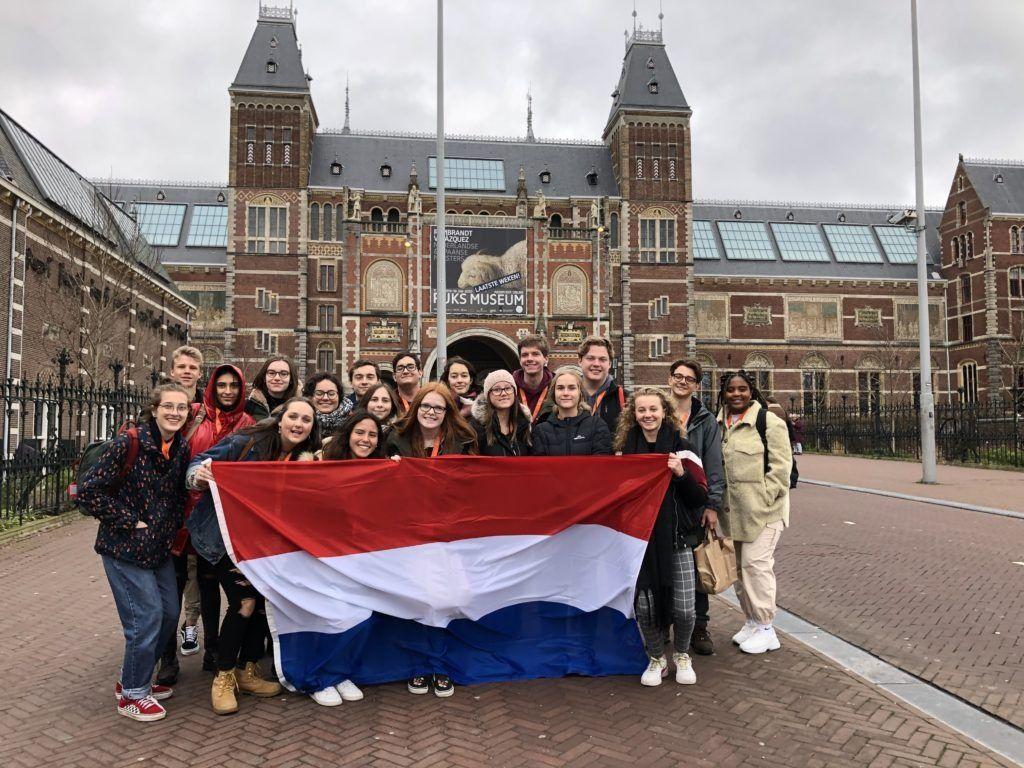
Pathway to Permanent Residency in the Netherlands After Study for Pakistani Students




The Netherlands has become one of the top European destinations for Pakistani students due to its world-class universities, English-taught degree programs, affordable tuition compared to the UK and USA, and excellent post-study work opportunities. For many Pakistani students, studying in the Netherlands is not only about earning an international degree but also about building a long-term future in Europe.
One of the biggest advantages of studying in the Netherlands is the clear pathway from a student visa to permanent residency (PR). International graduates can stay after completing their studies, gain professional experience, transition to a work permit, and eventually apply for Dutch permanent residency.
This guide explains the complete process for Pakistani students who want to settle in the Netherlands after graduation.
Why Pakistani Students Choose the Netherlands
The Netherlands offers several benefits for Pakistani students:
- More than 2,000 English-taught programs
- Internationally recognized universities
- Strong job market in IT, engineering, business, logistics, and healthcare
- Safe and multicultural environment
- Opportunity to get permanent residency after study
- Easy travel across Europe with a Dutch residence permit
Many Dutch universities are globally ranked, making the Netherlands attractive for students who want quality education and long-term career growth.
Step 1: Study in the Netherlands on a Student Visa
The first step toward Dutch permanent residency starts with obtaining a student visa and residence permit.
Pakistani students usually apply for:
- MVV (long-stay entry visa)
- Dutch student residence permit
Most universities handle the visa application process on behalf of students through the Dutch Immigration and Naturalisation Service (IND).
Popular Courses for Pakistani Students
The Netherlands is especially popular for:
- Computer Science
- Artificial Intelligence
- Data Science
- Engineering
- Business Administration
- Agriculture
- Environmental Sciences
- Logistics and Supply Chain
Step 2: Apply for the Orientation Year Visa (Zoekjaar)
After graduation, Pakistani students can apply for the Orientation Year Visa, also known as the Zoekjaar Visa.
This is one of the biggest advantages of studying in the Netherlands because it allows graduates to stay in the country for 12 months to search for employment or start a business.
Benefits of the Orientation Year Visa
During this one-year period, graduates can:
- Work full-time without needing a separate work permit
- Search for jobs across different sectors
- Start their own business
- Gain Dutch work experience
- Transition to a Highly Skilled Migrant Visa
Unlike many countries, Dutch employers do not need to arrange a separate work permit for students on the orientation year visa.
Eligibility Criteria
Pakistani students are eligible if they:
- Graduate from a recognized Dutch university
- Apply within three years of graduation
- Hold a valid residence permit
The orientation year residence permit is valid for one year and cannot be extended.
Step 3: Find a Job as a Highly Skilled Migrant
The next step toward permanent residency is obtaining a Highly Skilled Migrant (Kennismigrant) permit.
After securing a qualifying job, your employer sponsors your work permit application through the IND. This visa is one of the fastest and most reliable pathways to settlement in the Netherlands.
Industries with High Demand
Pakistani graduates commonly find jobs in:
- Information Technology
- Cybersecurity
- Software Development
- Engineering
- Finance
- Logistics
- Artificial Intelligence
- Healthcare
- Renewable Energy
International graduates from Dutch universities often have an advantage because employers value local education and Dutch work experience.
Step 4: Maintain Continuous Legal Residence
To qualify for permanent residency in the Netherlands, Pakistani students must legally reside in the country for at least five consecutive years.
These five years can include:
- Student residence permit period
- Orientation year visa
- Work permit duration
However, the applicant must maintain uninterrupted legal residency status during this time.
Important Conditions
To apply for PR, you usually need:
- Five years of continuous legal residence
- Valid residence permit at the time of application
- Stable and sufficient income
- Integration into Dutch society
- No serious criminal record
The Dutch immigration authorities evaluate whether applicants can support themselves financially and contribute positively to society.
Step 5: Pass the Dutch Civic Integration Exam
Most non-EU nationals applying for Dutch permanent residency must pass the Civic Integration Exam (Inburgeringsexamen).
This exam tests:
- Basic Dutch language skills
- Knowledge of Dutch society
- Reading and listening ability
Learning Dutch significantly improves job opportunities and integration into Dutch society. Although many people in the Netherlands speak English, speaking Dutch helps in career growth and PR approval.
Step 6: Apply for Permanent Residency in the Netherlands
After completing five years of legal residence and fulfilling all requirements, Pakistani students can apply for Dutch permanent residency.
Permanent residency allows you to:
- Live permanently in the Netherlands
- Work without restrictions
- Access more social benefits
- Stay in the Netherlands without employer sponsorship
Applications are submitted through the Dutch Immigration and Naturalisation Service (IND).
Can Pakistani Students Get Dutch Citizenship?
Yes. After holding permanent residency and meeting additional requirements, Pakistani nationals may eventually apply for Dutch citizenship through naturalization.
However, Pakistani students should carefully review dual nationality laws because the Netherlands may require applicants to renounce their previous nationality in certain cases.
Cost of Living for Pakistani Students in the Netherlands
Living expenses depend on the city and lifestyle. On average, Pakistani students spend:
- €800–€1,500 per month on accommodation and living
- €6,000–€20,000 yearly on tuition fees depending on the university and program
Cities like Amsterdam are more expensive, while smaller student cities such as Groningen or Enschede are comparatively affordable.
Best Dutch Cities for Pakistani Students
Amsterdam
Best for business, finance, and international networking.
Eindhoven
Ideal for technology and engineering students.
Rotterdam
Popular for logistics, architecture, and business studies.
Delft
Excellent for engineering and technical education.
Wageningen
Globally recognized for agriculture and environmental sciences.
Tips for Pakistani Students Planning PR in the Netherlands
Choose a High-Demand Degree
Programs in IT, AI, engineering, and healthcare offer better job opportunities after graduation.
Start Networking Early
Attend university career fairs, internships, and networking events while studying.
Learn Basic Dutch
Although English is widely spoken, Dutch language skills increase employability.
Apply for Jobs During Studies
Part-time jobs and internships help build local experience and employer connections.
Stay Updated on Immigration Rules
Dutch immigration policies may change, so always check official IND updates.
Is the Netherlands Good for Pakistani Students?
Yes. The Netherlands offers a strong balance of education quality, career opportunities, safety, and immigration pathways. Compared to many countries, the Dutch post-study work route is more structured and practical for international graduates.
Pakistani students who complete their studies, secure skilled employment, and integrate into Dutch society can realistically achieve permanent residency within a few years.
Final Thoughts
The Netherlands is becoming one of the best European countries for Pakistani students seeking international education and long-term settlement opportunities. The pathway from student visa to orientation year permit, then to a highly skilled migrant visa, and finally permanent residency is relatively clear and achievable.
For Pakistani students looking for a modern European lifestyle, excellent education system, and strong career prospects, the Netherlands can be an excellent destination for both study and future settlement.
FAQs
1. How long does it take to get PR in the Netherlands after study?
Usually, Pakistani students can apply for permanent residency after completing five years of continuous legal residence in the Netherlands.
2. What is the Orientation Year Visa in the Netherlands?
It is a one-year post-study work visa that allows international graduates to search for jobs or start a business in the Netherlands.
3. Can Pakistani students work while studying in the Netherlands?
Yes. International students can usually work part-time during studies and full-time during holidays, depending on permit conditions.
4. Is Dutch language mandatory for PR?
Yes, most applicants need to pass the Dutch Civic Integration Exam for permanent residency.
5. Can Pakistani students get citizenship in the Netherlands?
Yes. After meeting residency and integration requirements, Pakistani nationals may apply for Dutch citizenship through naturalization.








Let us help you yield your true academic potential for foreign education. To configure and discover an apt international enrolment strategy, get in touch!


- +923041111444
- info@edify.pk
- Edify Building, 3rd Floor, Madina Town Faisalabad
© 2026 Edify Group of Companies. All Rights Reserved.