Pakistan’s Out-of-School Children Crisis Continues Despite National Education Emergency




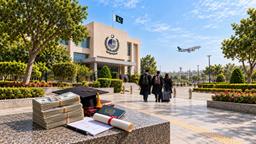
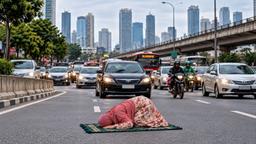
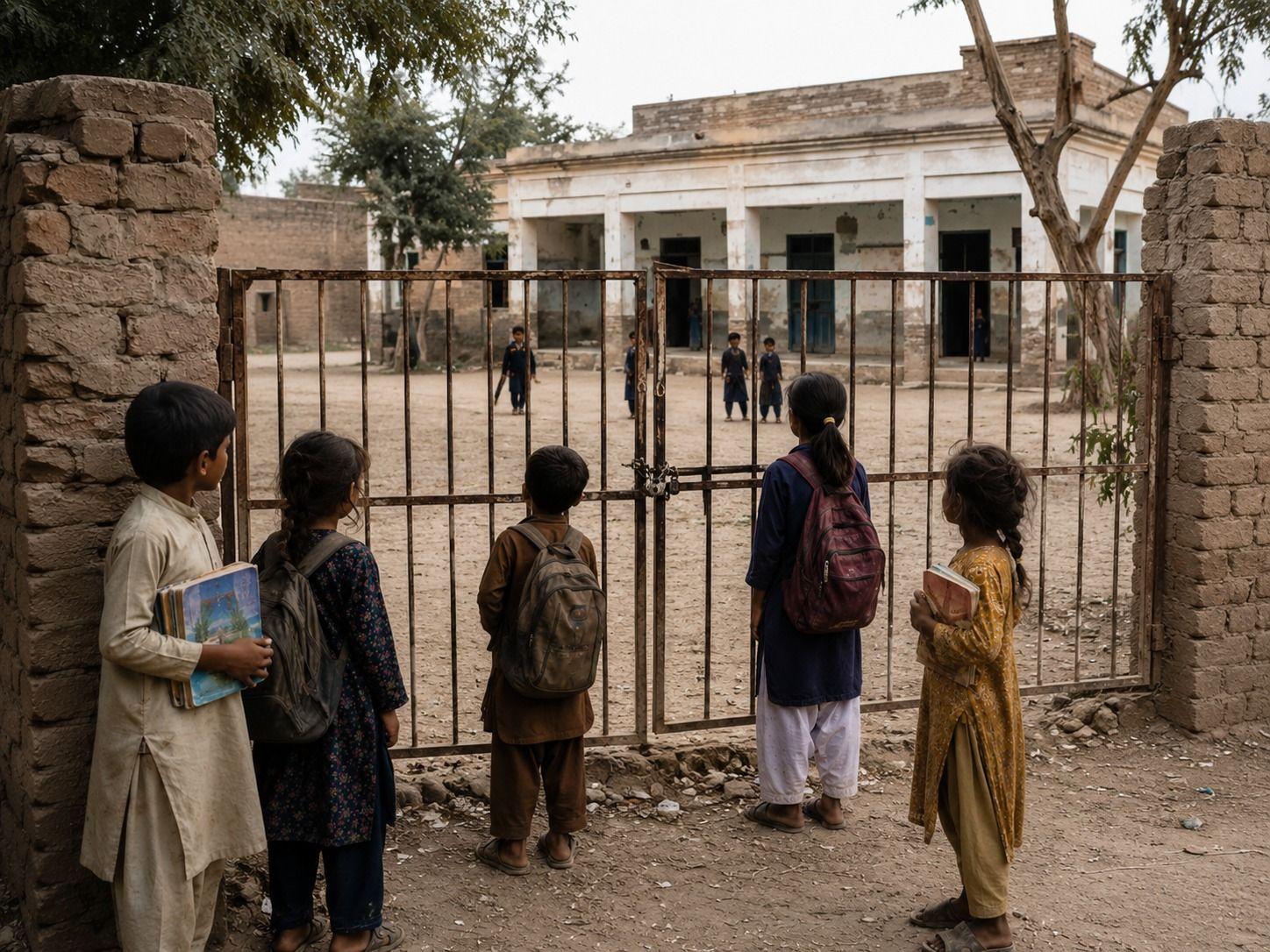
Pakistan is still facing one of the world’s largest education access crises, with more than 25 million children remaining out of school despite the federal government’s declaration of a national education emergency over two years ago.
A new comparative policy review by the Civil Services Academy has warned that the emergency has increased political attention but has not yet produced the scale of change needed to bring millions of children back into classrooms.
The report, which reviews education planning under the National Education Action Plan 2026, says Pakistan currently has between 25.1 million and 26 million out-of-school children.
This remains a major governance and development challenge, even though Article 25-A of the Constitution guarantees free and compulsory education for children.
Weak Governance and Low Funding Remain Major Barriers
According to the review, Pakistan’s education emergency is being slowed by chronic underinvestment, fragmented policymaking, weak institutional capacity, and poor implementation.
The report notes that decades of poverty, rapid population growth, and inadequate public school infrastructure have widened the gap between education demand and government delivery.
As public schools struggle to absorb the rising number of children, low-cost private schools have expanded in many areas. However, this has not solved the core problem, particularly for families that cannot afford fees, transport, books, uniforms, or other school-related costs.
Punjab Has the Highest Number of Out-of-School Children
Punjab carries the largest burden, with an estimated 9.6 million to 10.4 million children out of school.
The Punjab School Education Department’s 2026 baseline report, cited in the study, shows that 6.4 million children have never enrolled, while around 3.16 million have dropped out.
These figures show that Pakistan’s education crisis is not only about enrolling new students. Retention is equally urgent. Many children who enter school leave before completing basic education due to poverty, poor learning outcomes, long distances, school quality concerns, or household pressures.
Sindh, KP, and Balochistan Face Different Education Challenges
The report highlights that each province faces distinct barriers. Sindh continues to experience high dropout rates after primary school, while climate-related disruptions have repeatedly affected learning continuity in vulnerable districts.
In Khyber Pakhtunkhwa, insecurity, mountainous terrain, and a shortage of female teachers remain key obstacles, especially for girls’ education. Balochistan faces some of the most complex challenges, including scattered populations, inactive schools, weak institutions, and limited access to qualified teachers.
Islamabad, Gilgit-Baltistan, and Azad Jammu and Kashmir perform comparatively better on enrollment, but the review says internal inequalities still exist and require targeted interventions.
Read More
HEC Announces Scholarships in Top 100 US Universities for Pakistani Student
One-Size-Fits-All Policy Will Not Work
The Civil Services Academy report concludes that Pakistan cannot resolve its education crisis through a uniform national strategy. Instead, the country needs province-specific planning, stronger monitoring, transparent funding, and sustained investment in teachers, infrastructure, and learning quality.
While the national education emergency has helped keep the issue on the policy agenda, the report makes clear that declarations alone are not enough.
Without practical implementation, improved governance, and long-term financing, millions of Pakistani children will continue to be denied their constitutional right to education.
About Author


Let us help you yield your true academic potential for foreign education. To configure and discover an apt international enrolment strategy, get in touch!


- +923041111444
- info@edify.pk
- Edify Building, 3rd Floor, Madina Town Faisalabad
© 2026 Edify Group of Companies. All Rights Reserved.